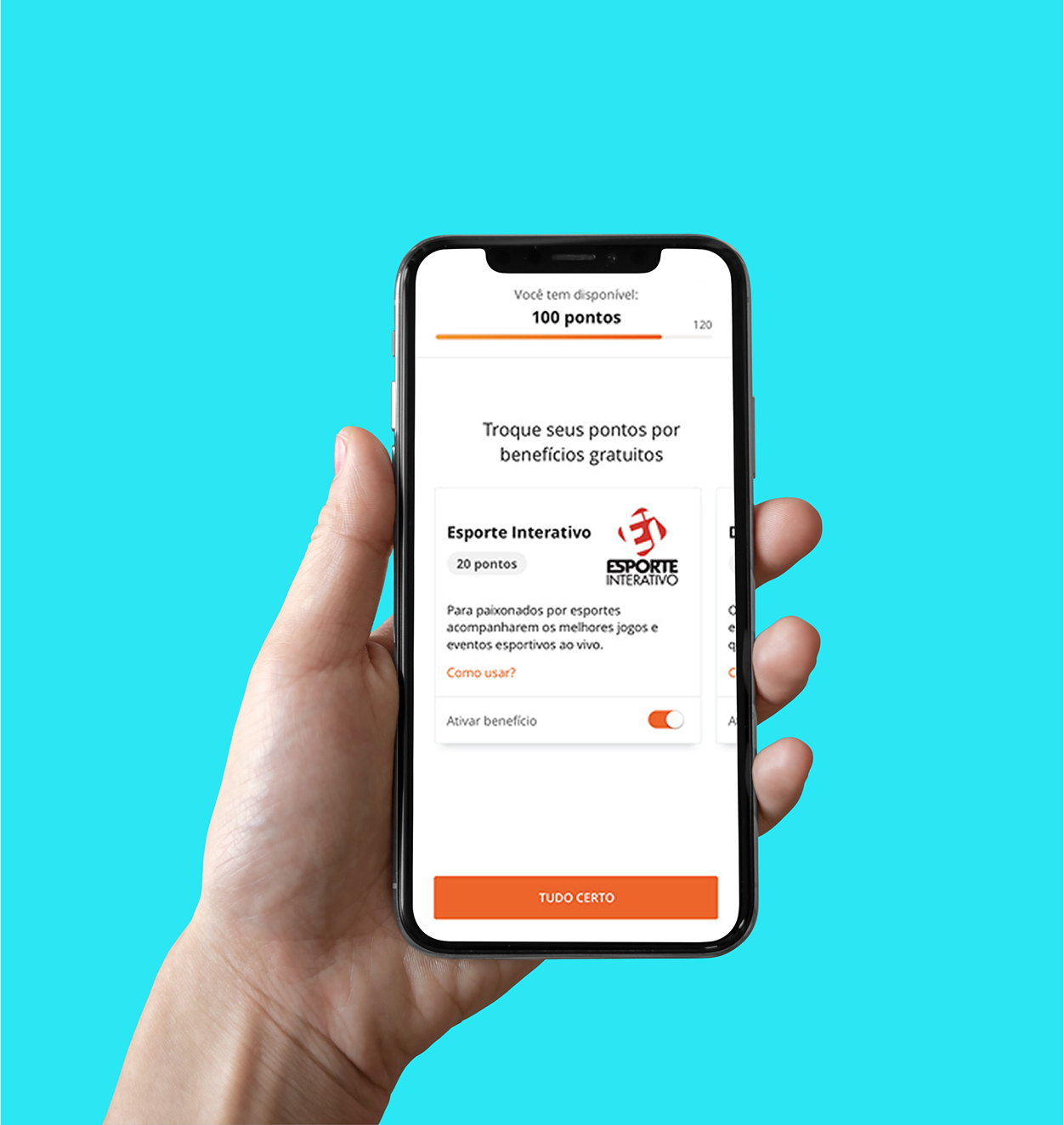
Aligning teams and flows to customer journey


With rapid growth, teams faced challenges like fragmented product vision, disconnected deliveries, and unclear future improvements. The team responsible for the registration flow felt these symptoms acutely
The goal was to align teams and map the current state to design an ideal future, identifying gaps, prioritizing opportunities, and shaping new solutions across different perspectives.
Responsable for the entire product design, from the research to creation of a customer-centered journey map, using HEART data and user testing
1. Mapping the Current and Future Scenario
The team conducted brainstorming and voting sessions to identify:
2. Stakeholder Engagement
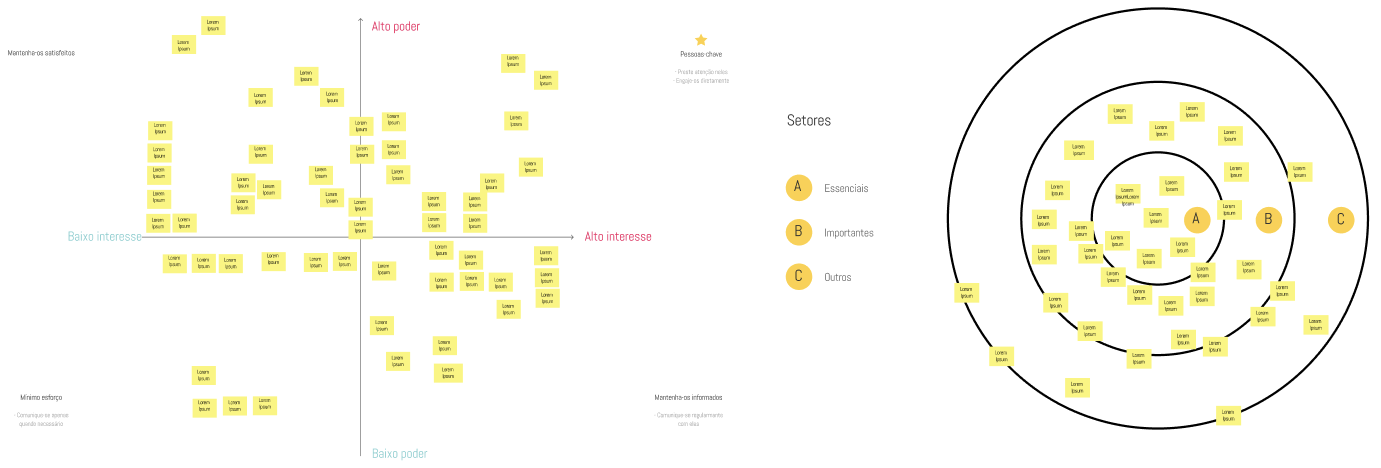
To align expectations, we created a stakeholder map and implemented an influence-interest matrix to plan strategic communications and meetings.
3. Journey Map Construction
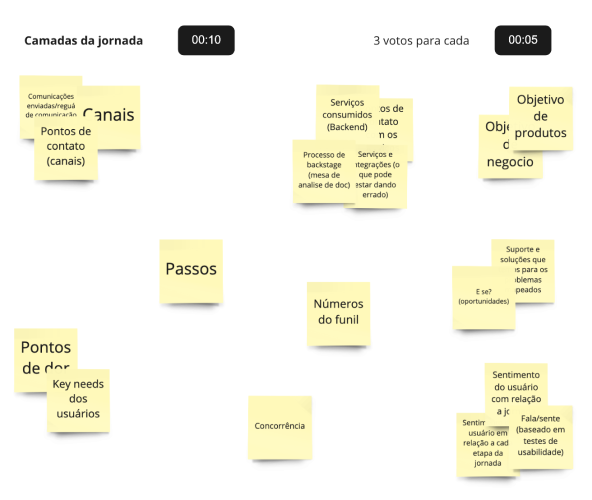
Using the HEART framework, the map was structured into six fundamental layers:
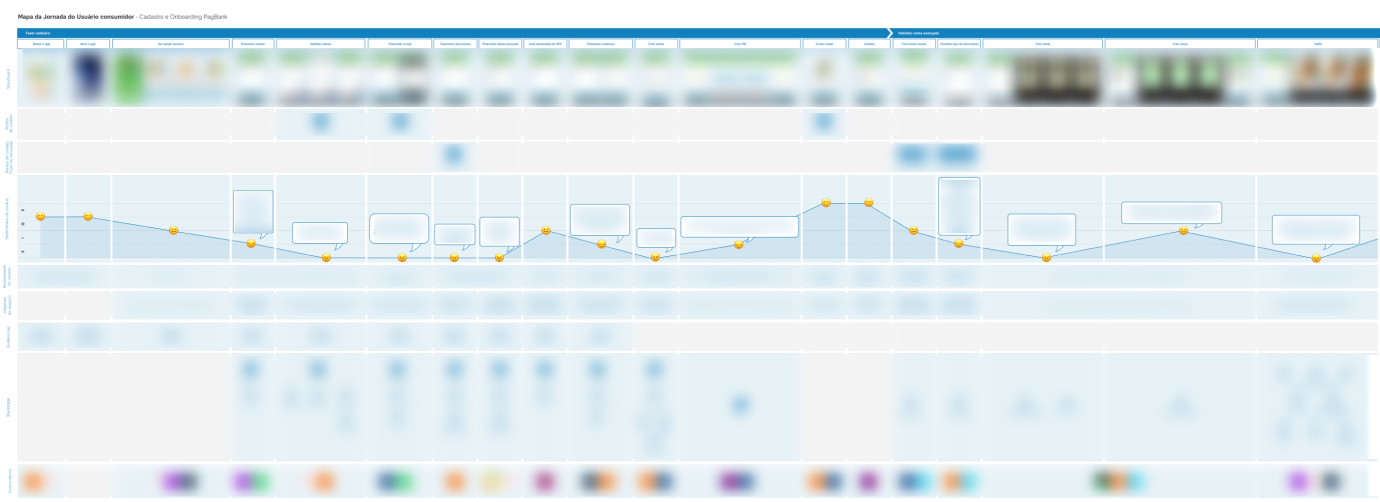
4. Collaborative Development
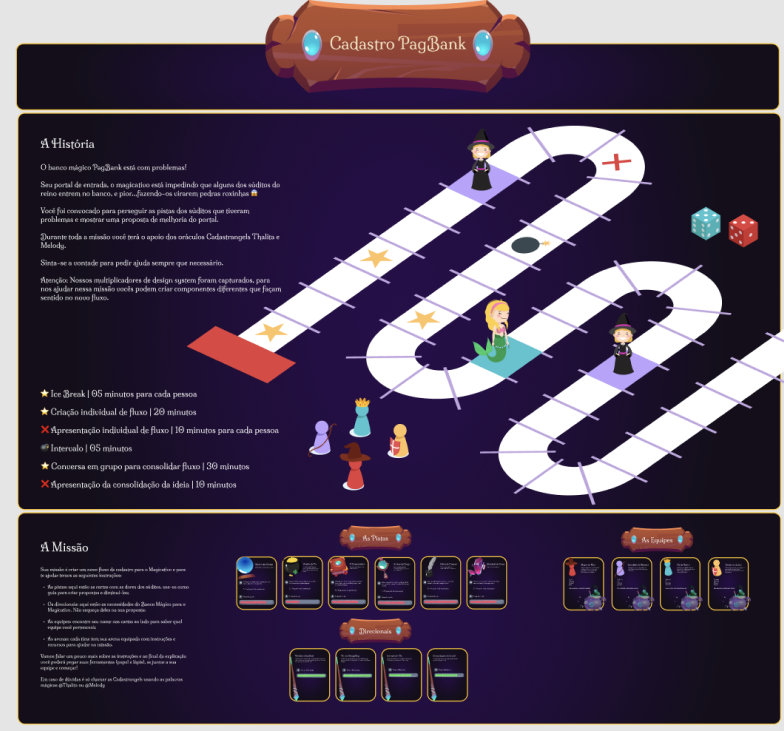
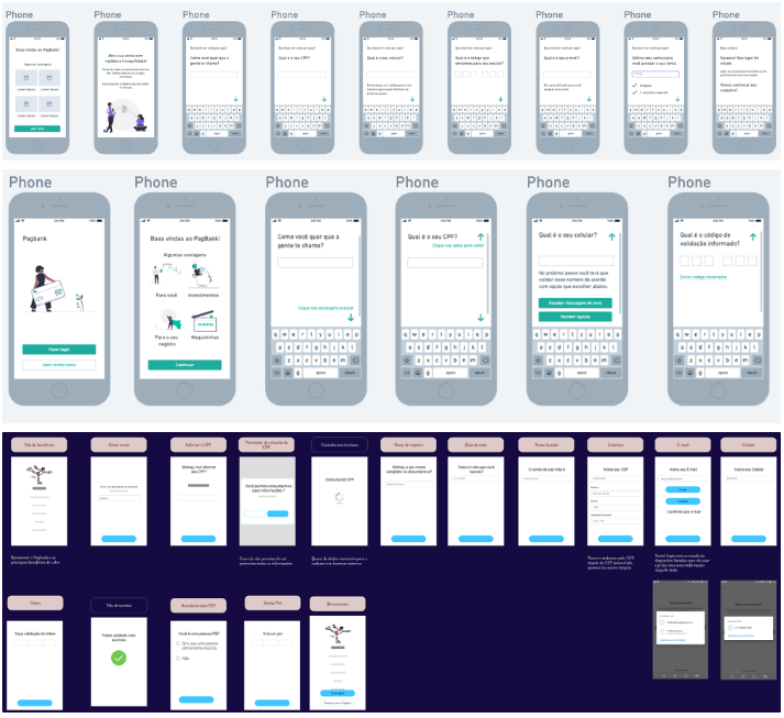
A gamified RPG-style process was used to stimulate multidisciplinary brainstorming. The result was the creation of two distinct registration proposals, both aligned with principles such as modularity and transparency, but with different flow approaches.
5. User Testing
We conducted moderated remote testing with user groups to compare the two versions. We used the User Interface Satisfaction Questionnaire (UIS) to capture qualitative and quantitative feedback. The highest rated version was selected for implementation.
The journey map became a central artifact for alignment and prioritization of improvements. The winning proposal, with insights from the usability test, was refined and prioritized with the team using the **Effort vs. Impact Matrix**.
One of the key takeaways was the importance of ongoing cross-functional collaboration and engagement throughout all phases of the project. Small, interim presentations could have increased understanding and buy-in.
This project demonstrated how mapping the user journey can transform the understanding and evolution of a product. More than solving problems, it created a solid foundation for customer-centric decision-making, fostering innovation and sustainable growth.